Laser Cutting Services

Laser cutting is a highly precise, non-contact method for converting flat sheet materials into custom-shaped components. At Foamtec Specialty, our laser cutting capabilities turn foam, rubber, plastics, and films into finished parts with intricate detailing, clean edges, and minimal material waste.

As a laser cutting manufacturer with ISO-certified production, we deliver precision laser cutting services for industries where accuracy, speed, and repeatability are essential from rapid prototypes to full production runs.
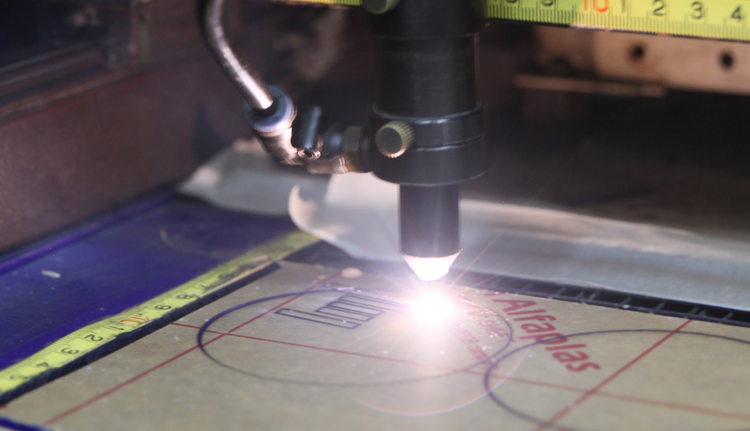
laser cuttings
Laser Cutting machine

What Is Laser Cutting?

Laser cutting uses a concentrated, computer-guided beam of light to cut through material instead of a physical blade or die. Because there’s no direct contact between the tool and the material, laser cutting avoids the deformation or stretching that can occur with mechanical cutting methods — making it well suited to thin, flexible, or intricately shaped parts.

The cutting path is driven directly from a CAD file, so custom laser cutting projects can move from design to finished part without the cost or lead time of hard tooling.

How Die Cutting Works

1

File setup

A CAD or DXF drawing defines the exact cut path for the part.
2

Material loading

Foam, rubber, plastic, or film stock is positioned on the cutting bed.
3

Laser programming

Power, speed, and focus are calibrated to the specific material and thickness.
4

Cutting

The laser follows the programmed path, cutting cleanly through the material with a narrow, precise kerf.
5

Inspection and finishing

Finished parts are checked against the design specification, then packaged or prepared for kitting.

Because there’s no tooling to build or change out, custom laser cut designs can be adjusted between runs simply by updating the file a key advantage for prototyping and short-run production.

Laser Cutting Capabilities

Our precision laser cutting service is built around tight tolerances, clean edges, and fast turnaround, without the setup cost of hard tooling.

CAPABILITY SPECIFICATION
Cutting type Through-cutting, intricate detail cutting, kiss-cutting on select materials
Material thickness range Thin films through mid-gauge foam and rubber sheet stock
Tolerance Tight, repeatable tolerances suited to precision components
Tooling required None — cut directly from CAD/DXF files
Order volume Prototype and single-piece runs through full production
Quality systems ISO-certified manufacturing with BSI and BV certifications

Materials We Laser Cut

Foamtec’s laser cutting services support a wide range of flexible and specialty materials:

Foam

open-cell and closed-cell foams for cushioning, sealing, and protective packaging

Rubber

Sponge and solid rubber for gaskets, seals, and vibration damping

Plastics and films

thin, flexible substrates for insulation, barrier, and protective applications

Adhesive-backed materials

laser-cut parts that stay adhesive-ready for assembly

Because laser cutting is a non-contact process, it’s especially effective for thin or delicate materials that could stretch, tear, or shift under a mechanical die. Not sure which material fits your application?

Explore our materials or speak with our engineering team.

laser cuttings

Custom Laser Cutting Services for Components

Our custom laser cutting capabilities are built around flexibility in geometry, material, and volume:

  • Prototyping and design validation move from CAD file to finished sample without waiting on tooling
  • Intricate and detailed geometries cut fine features that would be difficult or costly to tool with a traditional die
  • Low-volume and short-run production ideal when order sizes don’t justify die tooling costs
  • Design iteration update the cut file between runs instead of modifying physical tooling
  • Clean, finished edges  reduces or eliminates secondary finishing work on many materials

Custom Laser Cutting Services for Components

High Precision

The laser beam is tightly focused, enabling intricate cuts and fine detail with exceptional accuracy.

Clean Cuts

Laser cutting produces clean, smooth edges, reducing the need for additional finishing work.

Versatility

The process adapts to a wide range of materials, including foam, rubber, plastics, and films, making it suitable for diverse applications.

Speed

With no tooling to build, laser cutting supports efficient production and shorter lead times, particularly for prototypes and shorter runs.

Automation

The process is highly automated and computer-guided, ensuring consistent quality and reducing the risk of human error.

Industries and Applications

Our laser cutting capabilities support component manufacturing across:

Automotive

Precision cutting of materials used in interiors, insulation, and gaskets

Electronics

Protective packaging, insulators, and vibration-dampening components

Medical Devices

Custom-cut materials for equipment padding, braces, supports, and sterilizable parts

Aerospace

Lightweight, durable components for insulation, seating, and protective gear

Packaging

Custom-cut protective materials that keep sensitive items secure during transport
laser cuttings

Why Choose Foamtec Specialty for Laser Cutting

  • ISO-certified manufacturing backed by BSI and BV certifications
  • Material expertise across foam, rubber, plastics, and films
  • No tooling costs move from design file to finished part quickly
  • Engineering support from initial design through production
  • Complementary converting processes die cutting, slitting, and lamination — available in-house for complete component solutions

Frequently Asked Questions

What is laser cutting used for?

Laser cutting is used to convert flat sheet materials such as foam, rubber, plastics, and films into precise, custom-shaped components for applications like gaskets, insulation, protective packaging, and vibration-dampening parts.

What materials can be laser cut?

Foamtec die cuts foam, rubber, felt, film, and adhesive-backed or laminated materials. If you’re unsure whether your material is suitable, our team can advise during the quoting process.

What's the difference between laser cutting and die cutting?

Laser cutting requires no tooling and is well suited to prototyping, intricate detail, and lower volumes. Die cutting uses a custom-shaped tool and is generally more cost-effective at mid-to-high production volumes. See the comparison table above for a full breakdown.

Does laser cutting require tooling?

No. Laser cutting is a die-less process parts are cut directly from a CAD or DXF file, which removes tooling cost and lead time from the project.

Is laser cutting suitable for thin or delicate materials?

Yes. Because laser cutting is non-contact, it avoids the stretching or shifting that can occur with mechanical cutting, making it well suited to thin films and delicate substrates.

What is the minimum order quantity for laser cutting?

Foamtec supports both single-piece prototypes and full production orders. Contact us with your part specifications for a tailored quote.

Can laser cutting handle intricate or complex geometries?

Yes. Since the laser follows a programmed CAD path rather than a fixed die shape, it’s well suited to fine detail and complex part geometries that would be difficult to tool mechanically.