
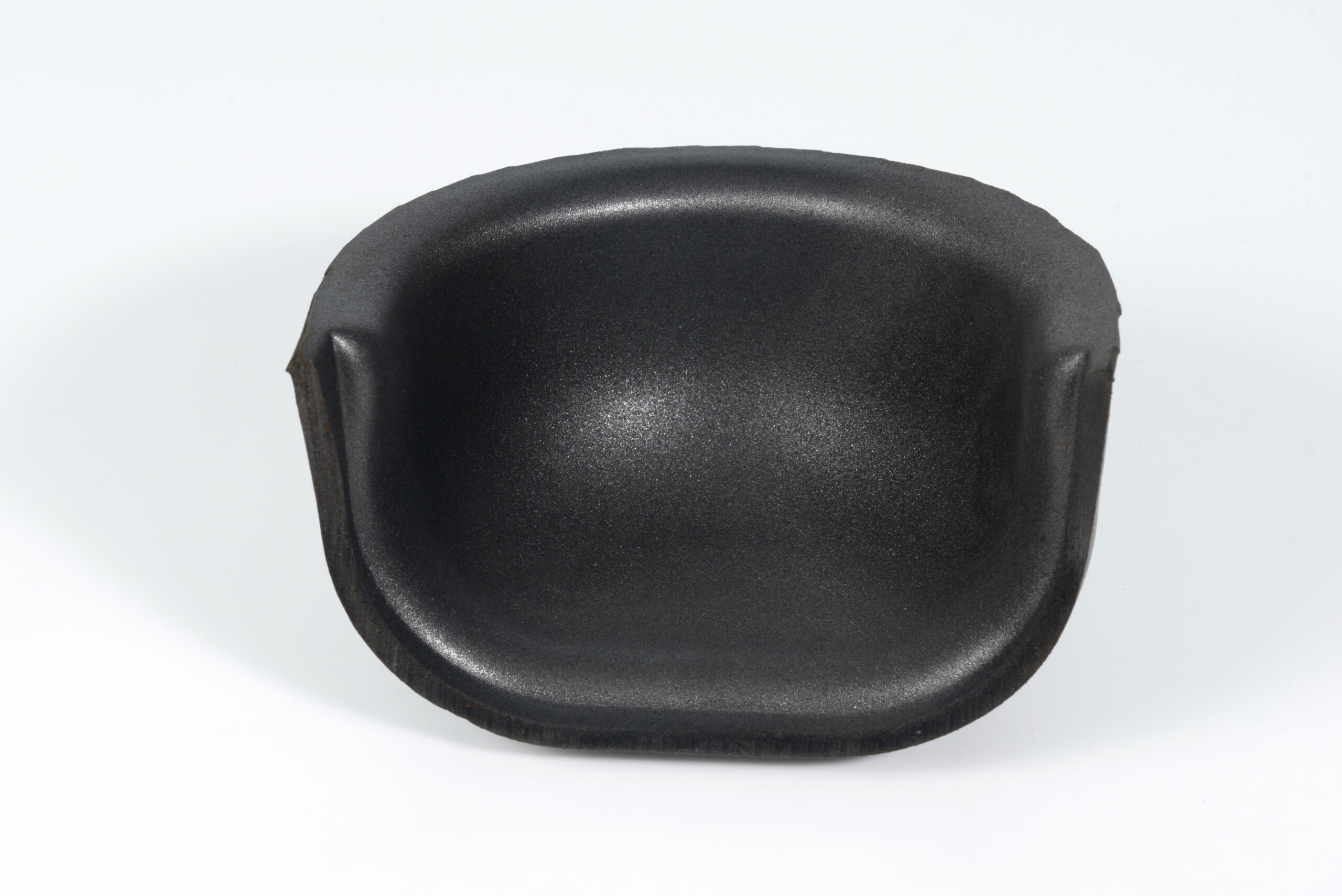
As industries push boundaries, the high heat foam market has expanded dramatically to accommodate applications that experience intense operational temperatures. This article explores the advanced concepts behind foam heat press manufacturing and thermal foam technologies, highlighting their industrial applications and core engineering benefits.
The development of advanced foam materials and their complex manufacturing applications has undergone a massive evolution. Driven by strict performance requirements in the aerospace, electronic, and automotive sectors, manufacturers can no longer rely on simple cushioning materials. Today, technologies like foam heat press and thermal foam stand out as essential pillars for thermal management, high-performance insulation, and structural integrity.
Foam Heat Press Technology: Precision Thermal Molding
Foam heat press technology (often integrated into advanced heat forming processes) involves the synchronized application of heat and pressure to mold raw foam materials into precise, three-dimensional configurations. This process does not just change the shape of the material; it alters and enhances the physical characteristics of the foam to make it durable enough for rigorous industrial use.
The Step-by-Step Process Overview
- Material Selection: The cycle begins by selecting a base polymer matrix tailored to the end application. Standard choices include advanced polyurethane, polyethylene, or high-performance silicone foam.
- Precision Heating: The selected foam is exposed to precise, controlled temperatures until it reaches its specific softening point. This renders the cellular matrix pliable and ready for reshaping without collapsing the cell walls.
- Calibrated Pressing: The heated, malleable foam is transferred into a custom-engineered mold cavity where it is subjected to high pressure. This step ensures that the foam captures intricate geometries and retains uniform structural density.
- Controlled Cooling: The final molded component undergoes rapid, controlled cooling to solidify its shape. This locks in the structural dimensions and prevents post-molding warping or deformation.
Key Benefits of Foam Heat Pressing
- Exceptional Customizability: It allows engineers to create complex, drop-in components that meet exact design tolerances, eliminating assembly bottlenecks.
- Enhanced Mechanical Properties: The heat press process can deliberately modify the foam’s density, yielding increased tensile strength, better wear resistance, and extended component longevity.
- Material Versatility: This compression approach is highly adaptable across different densities and structures, allowing a single manufacturing method to serve completely different industries.
Thermal Foam Technology: Next-Generation Heat Management
Where traditional foams serve as thermal insulators, thermal foams (also known as thermally conductive foams) are explicitly engineered to transfer and dissipate heat away from critical areas. Typically derived from matrices blended with graphite, aluminum, or specialized polymers, these materials are essential in preventing localized system failures.
In environments requiring maximum thermal resistance and reliability, the silicone foam heat dissipation performance makes it a clear standout. Silicone-based thermal foams combine the natural elastomeric durability of silicone with enhanced thermal paths, allowing them to remain compliant under heavy heat loads without degrading.
Key Features of Thermally Conductive Foams
- High Thermal Conductivity: They bridge the air gaps between hot electronic components and cold sinks, ensuring swift heat evacuation to prevent thermal throttling.
- Ultra-Lightweight Profile: Unlike heavy solid metal heat spreaders, thermal foams minimize overall system mass—a critical design factor for aerospace and electric vehicles.
- Extreme Mechanical Flexibility: These materials compress easily to fit tight, uneven gaps within complex assemblies, providing an ongoing spring-like force that maintains contact with heat sources.
Cross-Industry Applications of Advanced Foam
The integration of foam heat press components and thermal foam solutions solves complex engineering roadblocks across multiple high-tech sectors:
Electronics and Telecommunications
- Heat Sinks and Spreaders: Thermal foams function as critical interface pads inside electronic enclosures, preventing overheating in localized microprocessors.
- Battery Management Systems (BMS): In the electric vehicle sector, maximizing the silicone foam heat dissipation performance around battery cells ensures safe thermal balancing during rapid charging and discharging cycles.
Automotive Industry
- Interior Insulation: Automated heat press technology is used to create custom-contoured, multi-layered insulation panels for vehicle cabins, enhancing acoustic damping and climate control.
- Engine Compartments: Specialized high-performance foam solutions handle the intense ambient temperatures of engine bays to shield electronic components from radiant heat damage.
Construction and HVAC
- Insulation Panels: Specialized structural panels are formed via heat pressing to optimize building envelopes and reduce overall HVAC energy usage.
- Duct Linings: Thermally conductive and insulating linings prevent energy loss through vast duct networks, stabilizing indoor temperatures.
Medical Devices
- Patient Comfort Components: Orthopedically contoured medical positioning pads are fabricated using heat press tooling to offer targeted pressure relief and ergonomic support.
- Component Thermal Management: Thermal foams dissipate internal heat generated by internal motors and diagnostic electronics inside medical equipment, guaranteeing non-stop operational reliability.
Partnering with Foamtec Specialty Materials
Successfully navigating the rapidly evolving high heat foam market requires a manufacturing partner with deep expertise in material science and custom fabrication. Foamtec Specialty Materials delivers end-to-end capabilities, transforming raw materials into precision-engineered, high-performance foam solutions.
From initial material selection and high-speed die-cutting to custom heat-forming operations, Foamtec provides certified manufacturing solutions that meet the rigid standards of the automotive, electronics, and medical fields.
FAQs
A: Silicone foam is a dominant material because the silicone foam heat dissipation performance remains stable across extreme temperature variables. It offers superior thermal stability, excellent compression set resistance, and will not dry out or outgas under continuous exposure to high heat.
A: Standard insulating foam is designed to resist the transfer of heat, trapping air to keep environments warm or cold. Thermal foam is explicitly engineered with conductive fillers (like graphite or ceramic particles) to do the opposite—it actively pulls heat away from sensitive components and routes it safely to heat sinks.
A: The combination of calibrated heat and high pressure compacts and reshapes the cell structure of the foam. This compression can increase the structural density, enhance tensile strength, boost heat resistance, and make the foam significantly more durable than its raw, uncompressed state.
A: The high heat foam market is being heavily accelerated by the rapid growth of Electric Vehicles (EVs), advanced telecommunications infrastructure (such as 5G modules), aerospace engineering, and complex consumer electronics. All of these applications pack massive processing power into smaller spaces, requiring advanced thermal management materials.