
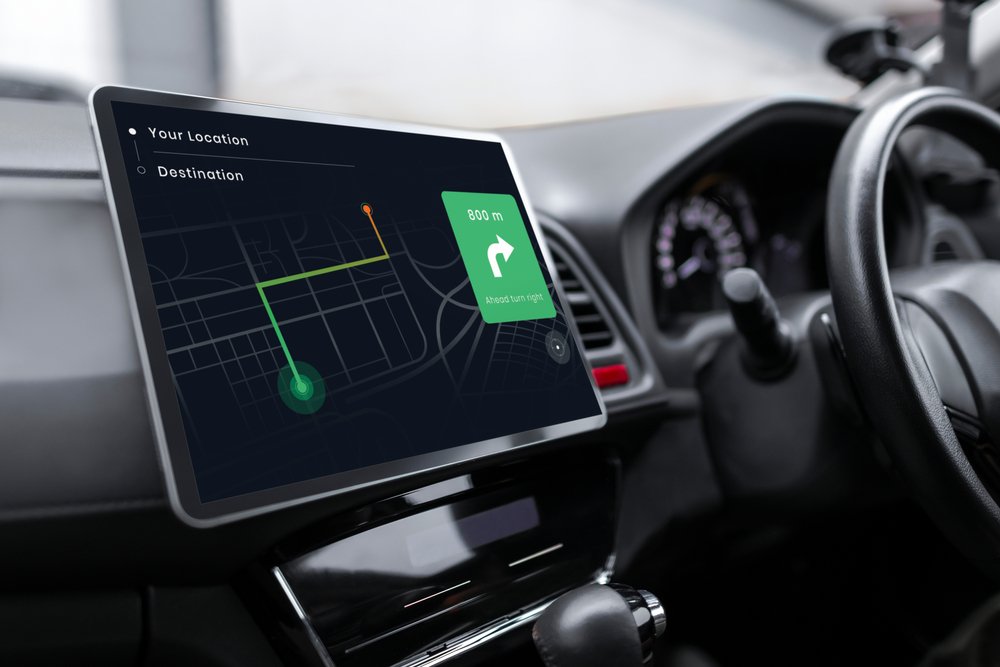
Central to the reliability, optical clarity, and lifespan of these advanced display panels are meticulously engineered gaskets. While invisible to the driver, these specialized elastomeric components serve as critical barriers that shield high-tech displays from environmental, mechanical, and thermal stressors.
The automotive interior is undergoing a massive digital transformation. Modern vehicles have traded traditional analog dials and mechanical buttons for expansive touchscreen interfaces, curved pillar-to-pillar digital dashboards, and heads-up displays (HUDs). As cars become increasingly interconnected, these cockpits require components that protect sensitive electronics from the harsh operating conditions of the road.
The Critical Role of Gaskets in Automotive Displays
Display modules inside a vehicle are subjected to a punishing mix of environmental factors, continuous motion, and high temperatures. High-performance gaskets serve three primary defensive purposes within the dashboard architecture:
1. Advanced Environmental Sealing and Ingress Protection
The primary function of display panel gasketing is to establish an absolute environmental seal. Automotive interiors are susceptible to dust accumulation, humidity transitions, cleaning spray overspray, and accidental liquid spills. To protect internal microelectronics, display enclosures must achieve strict Ingress Protection (IP) ratings, such as IP67 or IP68. Precision-engineered seals ensure that the display housing remains completely dust-tight and capable of withstanding moisture exposure without compromising the electronic assemblies.
2. Vibration Damping and Impact Cushioning
Vehicles encounter continuous mechanical shock and vibrations from rough road surfaces, engine operations, and sudden movements. Over time, these micro-vibrations can cause friction wear between plastic bezels and glass screens, resulting in display distortion, component misalignment, or physical stress fractures.
Integrating specialized foam cushions around the perimeter of the LCD or OLED screen dampens these vibrations. This evenly distributes the mechanical load when a driver firmly presses a touchscreen, protecting the delicate glass from localized pressure spikes.
3. Thermal Management and Heat Dissipation
Large digital displays and high-frequency graphic processors generate significant localized heat behind the instrument panel. If heat builds up, it can degrade liquid crystal layers and shorten the operational lifespan of the LEDs. Thermally conductive gasketing materials bridge structural gaps, functioning as continuous thermal pathways that efficiently dissipate heat away from sensitive display components to cooler chassis structures.
Advancements in Gasket Materials and Fabrication
Achieving an enduring seal requires a deep understanding of polymer chemistry and mechanical fabrication. Standard hardware-grade components cannot withstand the rigorous expectations of the automotive supply chain.
High-Performance Material Selection
Modern display designs require substrates selected for their long-term resilience, flexibility, and resistance to environmental breakdown:
- Silicone Foams and Sponges: Renowned for their wide thermal stability and exceptional resistance to compression set, silicone maintains its structural rebound for decades under extreme temperatures.
- Microcellular Polyurethane (e.g., PORON®): This tight-pore foam provides outstanding dust sealing, precise thickness control, and incredible shock absorption, making it the premier choice for thin-bezel touchscreen displays.
- Advanced EPDM Polymers: Highly resilient against UV exposure, ozone degradation, and cabin cleaning chemicals, EPDM represents a robust option for heavy-duty sealing.
Precision Fabrication Processes
Raw sheets of advanced polymers must be cleanly converted into complex geometries that match demanding display footprints:
- High-Tolerance Die-Cutting: Utilizing flatbed or high-speed rotary die-cutting systems, flat sheets of material are cleanly stamped into precise, narrow-walled display gaskets. This approach offers the repeatability and tight dimensional control required for high-volume automated vehicle assembly.
- Custom Injection Molding: For multi-axis display architectures or complex step-molded enclosures, liquid silicone rubber (LSR) molding creates seamless 3D geometries.
- Additive 3D Printing: Emerging as a high-precision alternative for low-volume production and prototyping, 3D printing enables engineers to test custom configurations rapidly without upfront physical tooling costs.
Critical Design and Manufacturing Considerations
Developing an automotive-grade sealing component requires a careful balance between structural performance and cockpit aesthetics.
Precision Engineering and Vehicle Cockpit Aesthetics
Modern automotive cockpits favor seamless, minimalist designs with minimal gaps and ultra-narrow bezels. Consequently, gaskets must be thin and unobtrusive, blending invisibly into the display assembly without bowing the outer housing or spilling past the viewing frame. This requires tight manufacturing tolerances and strategic adhesive selections, such as black, thin-profile pressure-sensitive adhesives (PSAs) that also block display light leakage.
Balancing Long-Term Durability with Elastic Flexibility
A vehicle’s operational lifecycle frequently exceeds 10 to 15 years. Over this lifespan, the sealing component must continuously endure intense thermal expansion and contraction cycles without hardening, cracking, or losing its sealing force. Continuous material innovation ensures that advanced elastomers resist aging and mechanical fatigue under constant load.
Environmental, Safety, and Regulatory Compliance
The automotive sector enforces strict material compliance regulations for cabin components. Materials used within display gasketing must prioritize sustainability by incorporating eco-friendly manufacturing methods and low-emission formulations. Furthermore, substrates must meet rigorous safety requirements, including:
- Low-Outgassing Profiles: Ensuring materials do not release volatile organic compounds (VOCs) that form a dangerous film on the interior glass.
- Flammability Standards: Complete compliance with FMVSS 302 flame-retardant parameters.
The Future of Automotive Display Panel Gasketing
As the global automotive landscape transitions rapidly toward Electric Vehicles (EVs) and autonomous driving suites, the role of display panels is expanding. Future cockpits will feature fully integrated, flexible screen arrays, intelligent glass touchpoints, and augmented-reality windows.
These innovations require next-generation sealing options. Future configurations will increasingly feature multi-functional parts, such as a single component that provides IP67 environmental sealing, specialized EMI/RFI shielding, and localized thermal management in one drop-in piece.
Partnering with Foamtec International for Custom Sealing Solutions
Successfully navigating the rigorous standards of modern automotive interior design requires a vertically integrated partner with proven conversion expertise. Foamtec International’s Specialty Converting Division provides end-to-end support, assisting engineering teams with initial material sourcing, technical prototyping, and high-volume component conversion.
Our state-of-the-art facilities leverage advanced processing techniques to transform specialized silicones, rubbers, and advanced cellular polymers into custom-engineered parts that fit your application’s dimensions.
Elevate Your Component Design: Protect your next-generation displays from environmental stress and mechanical wear. Connect with the technical engineering team at Foamtec International today to request material specifications, explore custom prototyping, or receive a technical quote.
FAQs
Q: Why are high-quality gaskets essential for touchscreen displays in vehicles?
A: High-performance sealing solutions prevent microelectronic failures by creating an airtight barrier against dust, humidity, and liquid cleaners. They also evenly distribute physical compression loads when drivers press the screen, preventing optical distortion and safeguarding delicate glass panels from cracking during vehicular shock.
Q: What is the significance of IP67 or IP68 ratings for an automotive gasket?
A: An IP67 or IP68 rating indicates that the component can completely block out fine dust particulates and withstand water immersion (up to 1 meter or deeper depending on the exact rating) without allowing leaks. This level of ingress protection is critical for ensuring instrument cluster electronics operate reliably across all environmental conditions.
Q: How do material selection choices impact the lifespan of a display panel?
A: Choosing materials with low compression set resistance, such as microcellular polyurethanes or silicone foams, ensures the component retains its elastic rebound and continuously exerts sealing force over decades of usage. Lower-grade rubbers degrade, flatten, or crack over time, resulting in leaks, dust buildup, and rattling.
Q: Can Foamtec fabricate gaskets with high-performance adhesive backings?
A: Yes. Foamtec specializes in laminating custom foam and rubber substrates with advanced automotive-grade pressure-sensitive adhesives (PSAs). These adhesives are explicitly chosen to form a permanent, high-strength bond with the low-surface-energy (LSE) plastics and alloys typically used in modern display housings.