
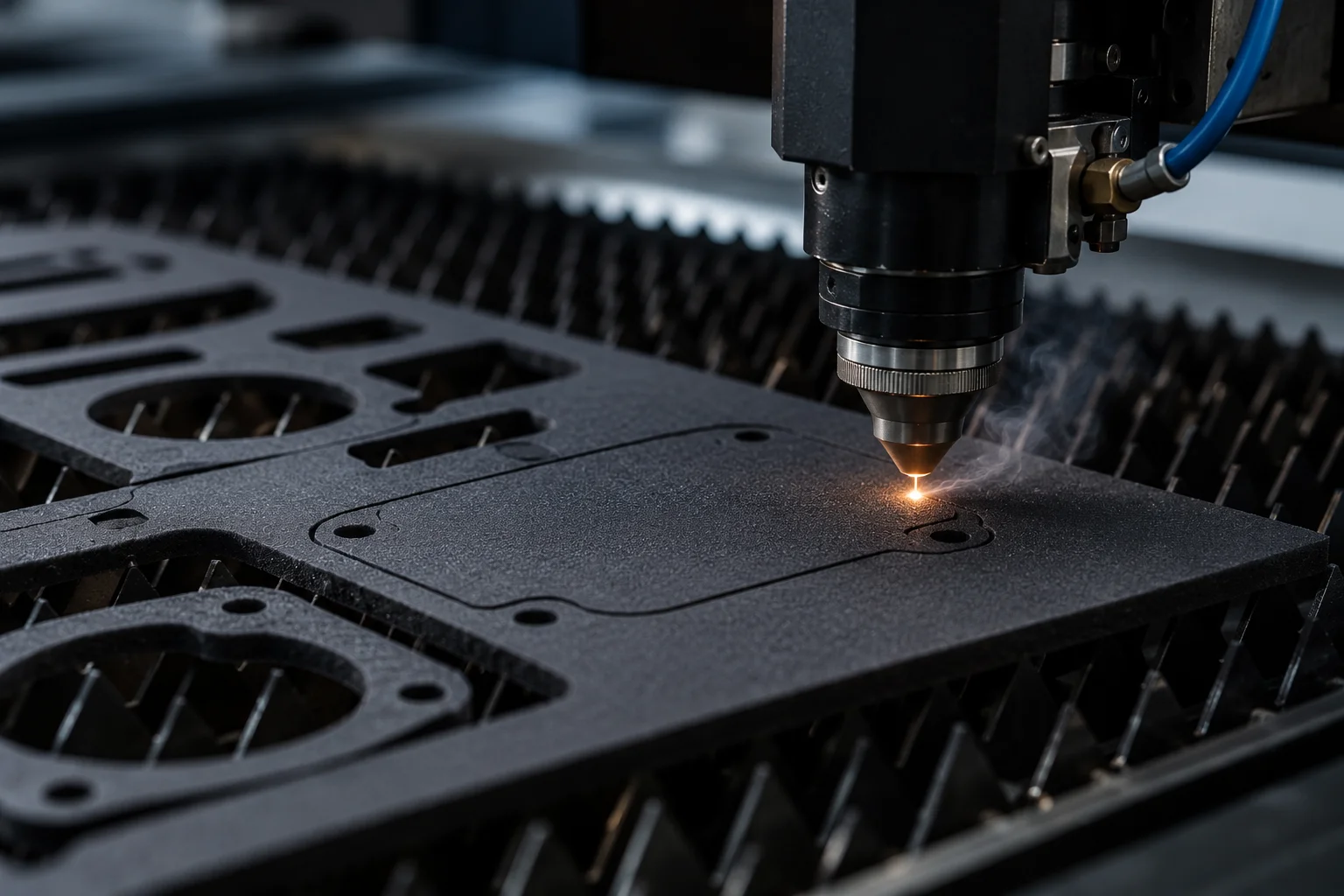
As modern vehicles become smarter, lighter, and more complex, automotive manufacturing processes must adapt to higher standards of speed and precision. Conventional fabrication methods often struggle to meet these evolving demands without incurring heavy tooling costs or lengthy lead times.
High-precision digital techniques like laser cutting are transforming automotive production lines. By replacing physical blades with computer-controlled thermal energy, manufacturers can process everything from delicate cabin foams to intricate electronic insulation with speed and repeatability.
Why Laser Cutting Is Transforming Automotive Manufacturing
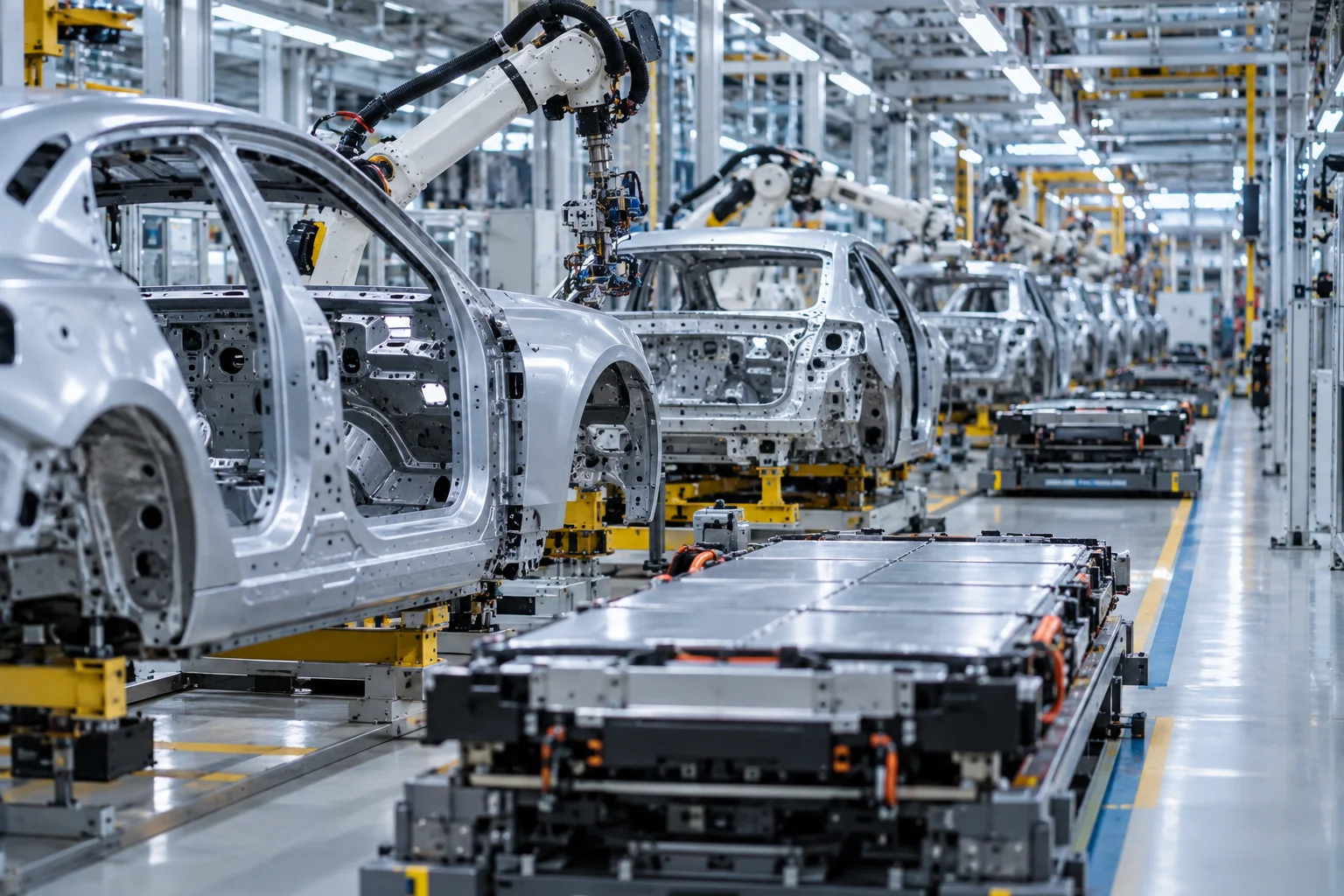
Increasing Demand for Precision Components
Today’s automotive designs integrate advanced sensor arrays, tight-tolerance interior seals, and intricate engine bay insulation. This shift requires cutting methods that deliver high structural accuracy without causing edge deformation or material degradation.
Supporting Lightweight and Complex Designs
Vehicle electrification and fuel-efficiency standards drive the adoption of lightweight materials, including specialized polyurethanes, thin technical films, and composite foams. Non-contact thermal cutting processes thin or flexible substrates cleanly, maintaining structural integrity across multi-layer designs.
Meeting High-Volume Production Requirements
Automotive supply chains require rapid production cycles and consistent part quality. CNC-guided laser cutting equipment operates at high continuous speeds, enabling manufacturers to scale from low-volume prototypes to full-scale automotive production with minimal downtime.
Benefit #1: Exceptional Precision and Accuracy

Tight Tolerances for Automotive Components
Laser systems deliver sub-millimeter positioning accuracy, allowing engineers to maintain tight tolerances for automotive components. This level of control prevents assembly misalignments in critical applications like HVAC gaskets, interior dampening pads, and battery seals.
Consistent Quality Across Production Runs
Because laser cutting relies on automated CAD software rather than physical cutting edges that wear down over time, it guarantees consistent quality across production runs. Part number 1,000 matches part number 1 in dimensional fidelity.
Benefit #2: Faster Production and Reduced Lead Times
High-Speed Cutting for Large Volumes
Advanced laser optics cut complex geometries in seconds, delivering true high-speed cutting for large volumes. This speed accelerates component throughput for automotive tier-1 and tier-2 suppliers.
Reduced Setup Time Compared to Traditional Methods
Because digital cutting requires zero hard tooling, engineers achieve reduced setup time compared to traditional methods. Transitioning to a new part profile simply requires updating a digital design file rather than machining new physical die sets.
Benefit #3: Minimal Material Waste

Optimized Material Utilization
Laser cutting software uses advanced nesting algorithms to fit parts tightly together across foam sheets or roll stock, achieving optimized material utilization.
Lower Manufacturing Costs
Minimizing scrap directly leads to lower manufacturing costs, making digital conversion cost-effective when working with high-performance technical foams and expensive adhesive backings.
Benefit #4: Greater Design Flexibility
Intricate Shapes and Complex Geometries
Laser cutting handles intricate shapes and complex geometries that physical punch dies or steel rule blades cannot easily execute, such as ultra-narrow channels, internal cutouts, and micro-perforations.
Rapid Design Changes Without New Tooling
When automotive engineers modify a part specification, they benefit from rapid design changes without new tooling. Adjusting a digital line in software eliminates tooling re-order fees and multi-week machining delays.
Benefit #5: Clean, Contact-Free Cutting

Reduced Risk of Material Damage
Laser cutting is a non-contact process, meaning physical blades never crush or stretch soft substrates. This ensures a reduced risk of material damage during conversion.
Ideal for Delicate Automotive Materials and Electronics
The absence of mechanical force makes laser cutting ideal for delicate automotive materials and electronics, such as display gaskets, sensor housings, and delicate acoustic foams.
Common Automotive Applications for Laser Cutting
| Automotive Component | Applied Material | Key Function |
|---|---|---|
| Acoustic & NVH Insulation | Open-cell polyurethane & PE foam | Reduces cabin noise, vibration, and harshness |
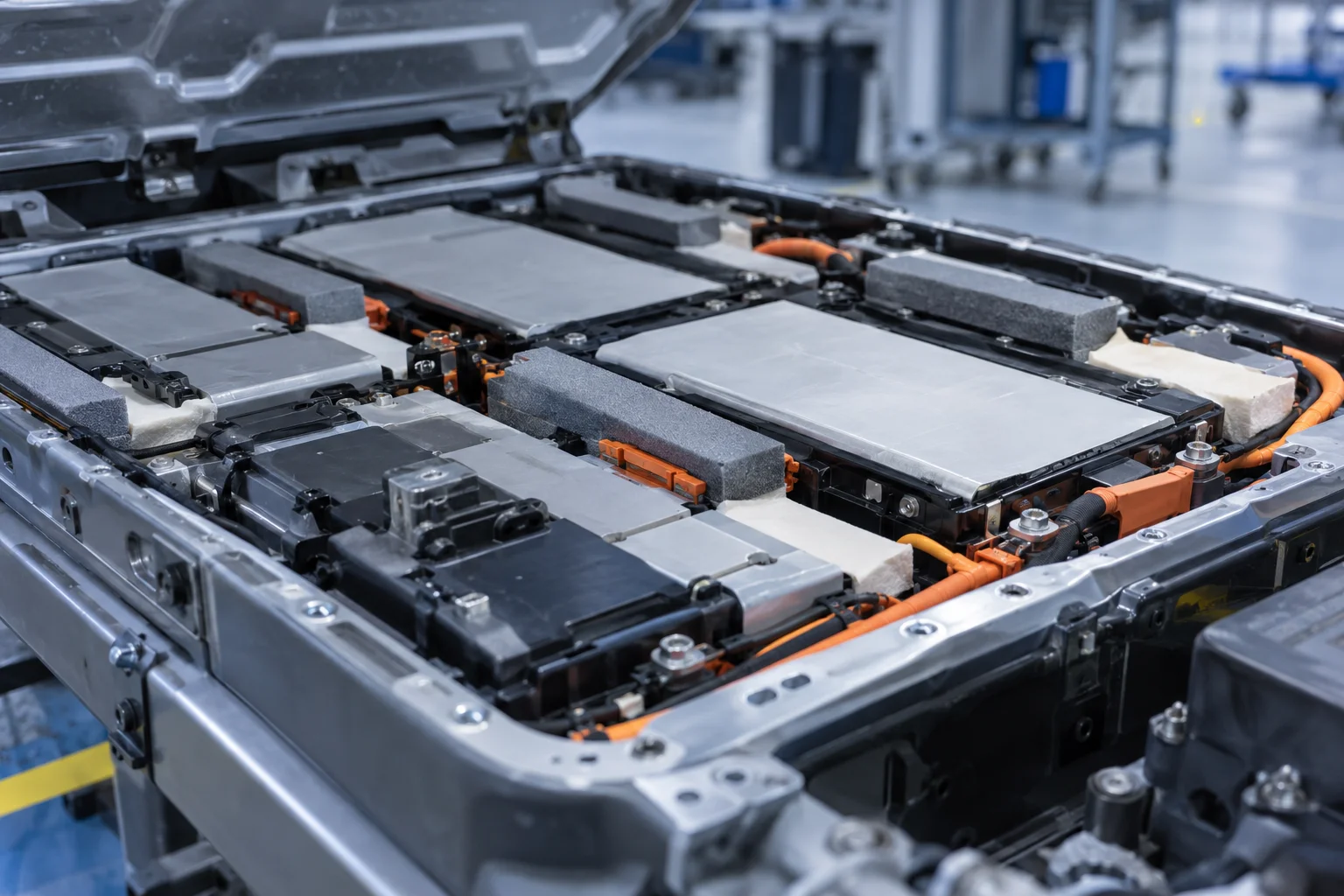
| EV Battery Pack Gaskets | Flame-retardant silicone & specialty foam | Prevents thermal runaway & seals out moisture |
| HVAC & Interior Seals | Closed-cell foam with PSA adhesive | Ensures airtight environmental sealing |
| Display & Sensor Enclosures | Thin micro-cellular foam & film | Protects sensitive cabin electronics from shock |
Choosing the Right Automotive Laser Cutting Partner
Selecting an experienced material converter is essential to securing these advantages. The ideal partner offers deep expertise in technical foam chemistries, cleanroom manufacturing standards, and custom converting techniques.
Looking for precision component fabrication tailored to your automotive specifications?
Foamtec Specialty Products delivers high-precision converting, custom polyurethane formulations, and advanced cutting techniques built for demanding automotive applications.
Frequently Asked Questions (FAQs)
What materials can be laser cut for automotive applications?
Laser cutting processes a wide variety of non-metallic materials, including technical polyurethanes, polyethylene foams, rubber, thin plastics, synthetic textiles, and pressure-sensitive adhesives.
Is laser cutting suitable for EV battery components?
Yes. Laser cutting is widely used for EV battery pack insulation, thermal barriers, and flame-retardant sealing gaskets due to its non-contact precision and tight-tolerance performance.
How does laser cutting improve manufacturing efficiency?
It eliminates the lead times and maintenance costs associated with physical tooling. It also enables rapid prototype revisions, maximizes material yield through digital nesting, and speeds up overall production.
What are the advantages of laser cutting over die cutting?
Laser cutting requires no physical dies (zero tooling costs), supports instantaneous design changes, and cleanly cuts complex interior patterns without physical blade pressure that could distort soft materials.
Can laser cutting achieve tight tolerances for automotive parts?
Yes. Computer-controlled laser systems achieve exceptionally tight tolerances, delivering reliable consistency for critical automotive seals, electronic housings, and interior components.