In the medical device industry, standard manufacturing tolerances are not enough. Whether producing surgical fluid management pads, diagnostic kit seals, or wear-on-body monitoring adhesives, even micro-level contamination or edge fraying can lead to product failure, regulatory rejection, or compromised patient safety.
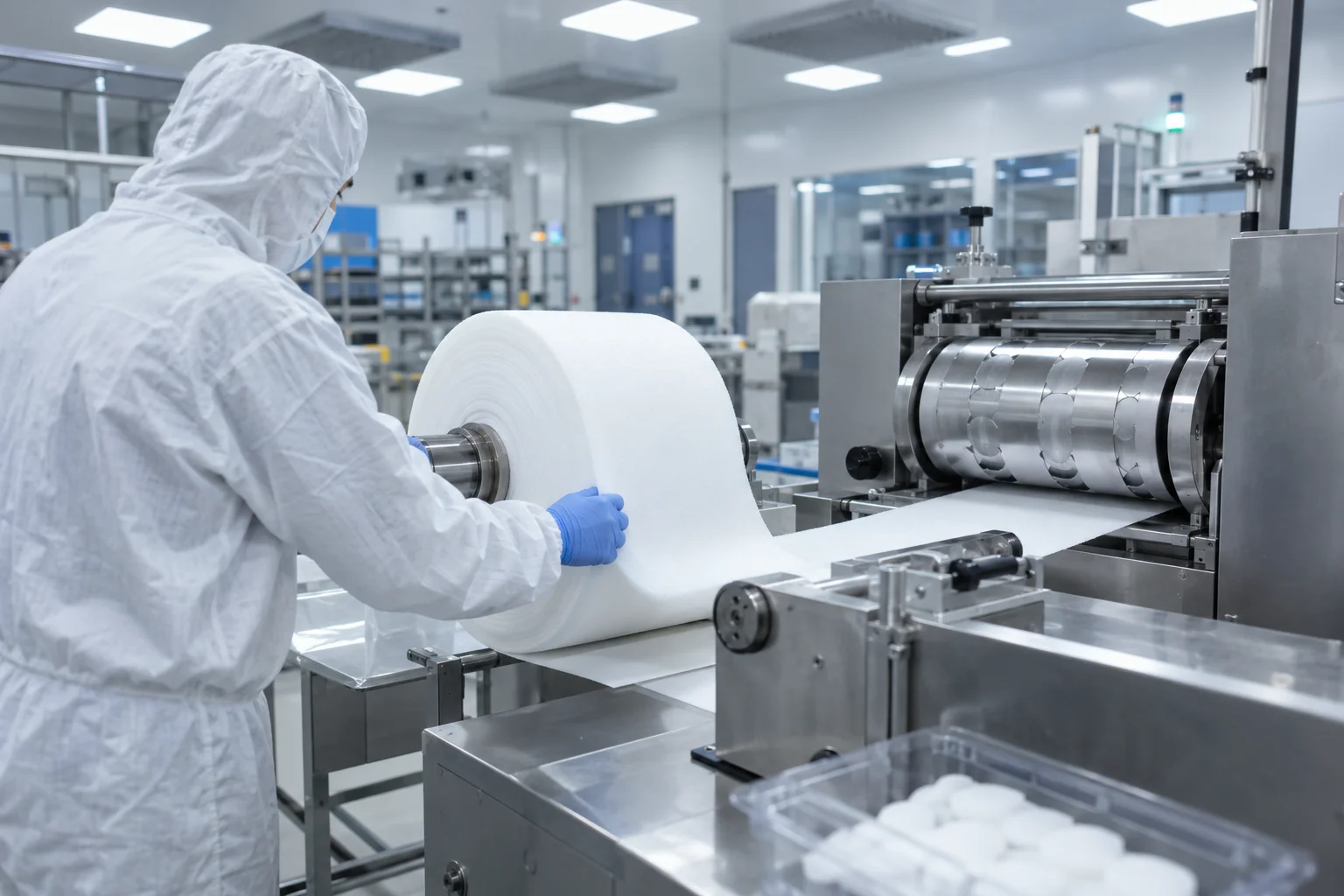
Medical device original equipment manufacturers (OEMs) rely on physical conversion techniques that achieve extreme geometric repeatability while preserving material purity. Combining high-speed, multi-layer mechanical stamping with controlled environments makes precision converting essential for life-saving technologies.
Why Medical Device Manufacturing Demands Precision Die Cutting
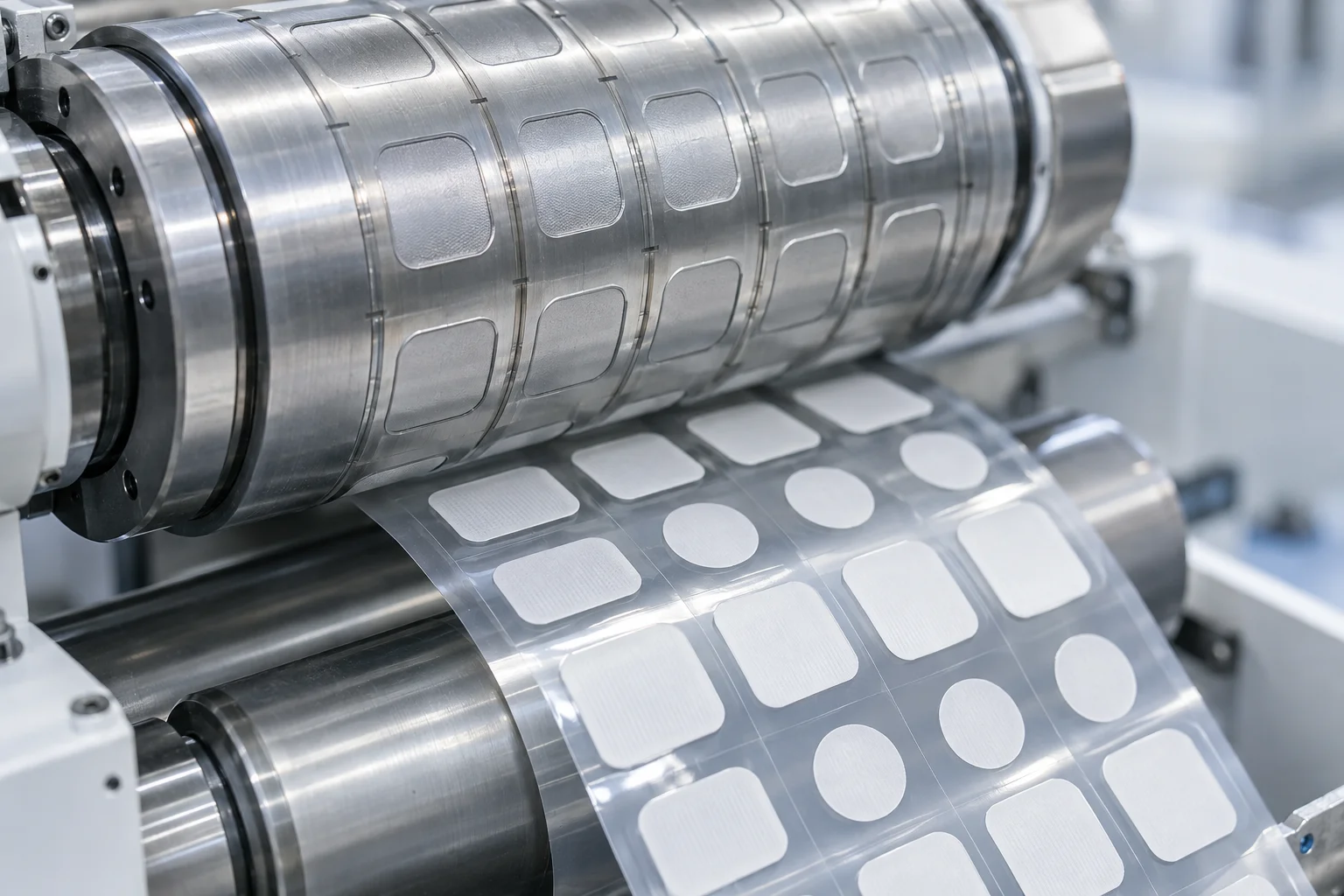
Medical device assemblies often integrate soft, flexible substrates, including micro-cellular polyurethanes, hydrogels, non-wovens, and pressure-sensitive medical adhesives. Traditional cutting methods like slitting or manual trimming can stretch, tear, or thermally scorch these delicate, temperature-sensitive materials.
Physical converting uses custom-machined steel rule or high-precision rotary dies to apply uniform pressure directly through single or multi-layer web materials. This non-thermal shearing process delivers several key performance benefits:
- Zero risk of heat-induced material charring, outgassing, or edge hardening.
- Precise depth control for kiss-cutting parts onto continuous liners, streamlining automated assembly downstream.
- Sub-millimeter dimensional repeatability across high-volume production runs.
Compliance Standards That Matter (ISO 13485, cleanroom protocols)
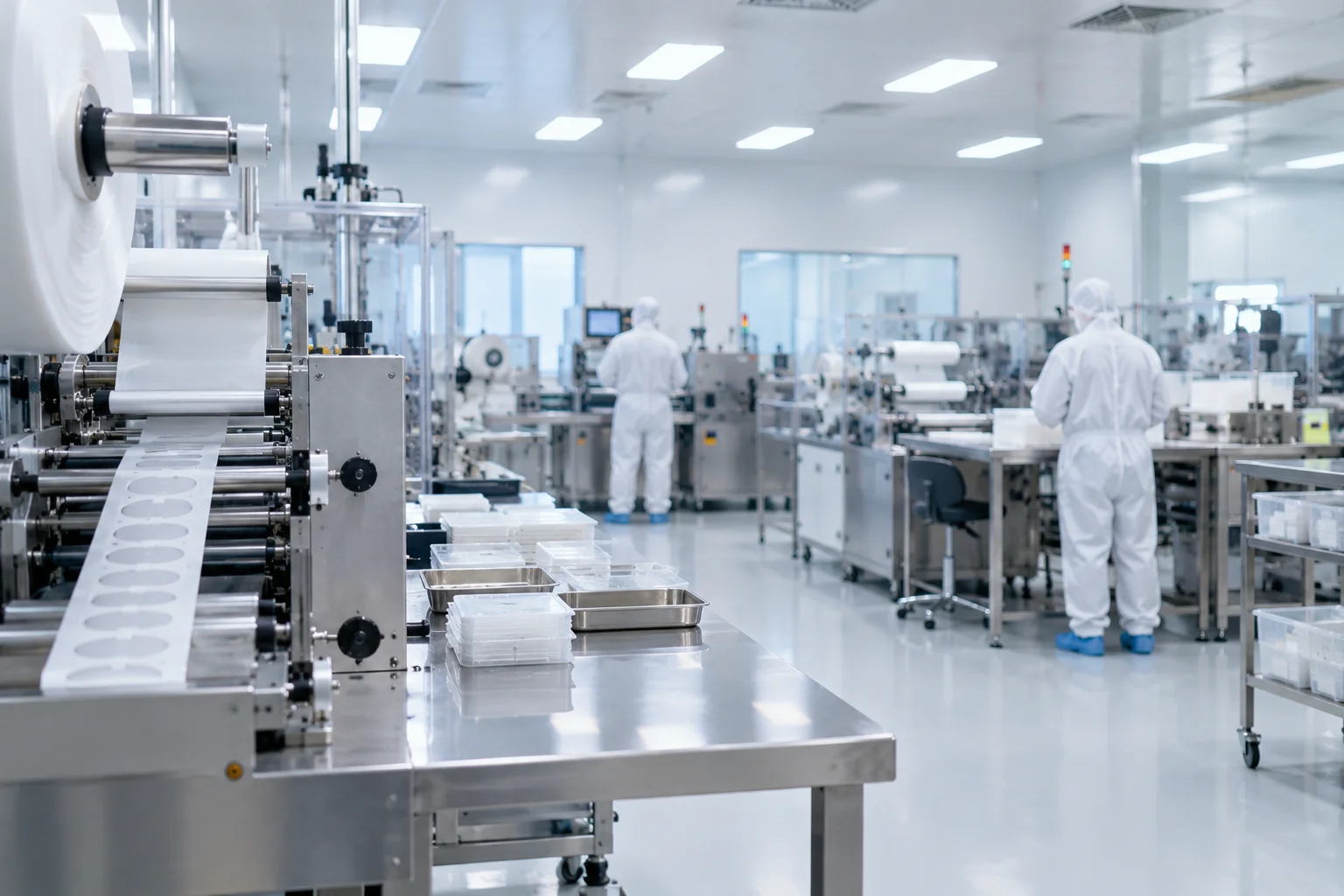
Medical component manufacturing demands rigorous quality control and strict regulatory compliance. Converting materials for clinical use requires specialized facilities and certified operating processes.
ISO 13485 Certification: This globally recognized Quality Management System standard specific to the medical device industry ensures comprehensive risk management, full material lot traceability, complete process validation, and documented change control protocols throughout fabrication.
ISO Class 7 and Class 8 Cleanroom Protocols: Converting medical components inside positive-pressure cleanroom protocols prevents airborne particulates, bio-burden, fibers, and microscopic oil residue from contaminating critical surfaces. Standard operating procedures require strict gowning guidelines, HEPA air filtration, static control, and continuous particulate monitoring.
Biocompatibility & Sterilization Stability: Converting operations must ensure processed parts comply with ISO 13485 standards, ISO 10993 cytotoxicity parameters, and remain structurally intact following Ethylene Oxide (EtO) or Gamma irradiation sterilization cycles.
Common Medical Die-Cut Components
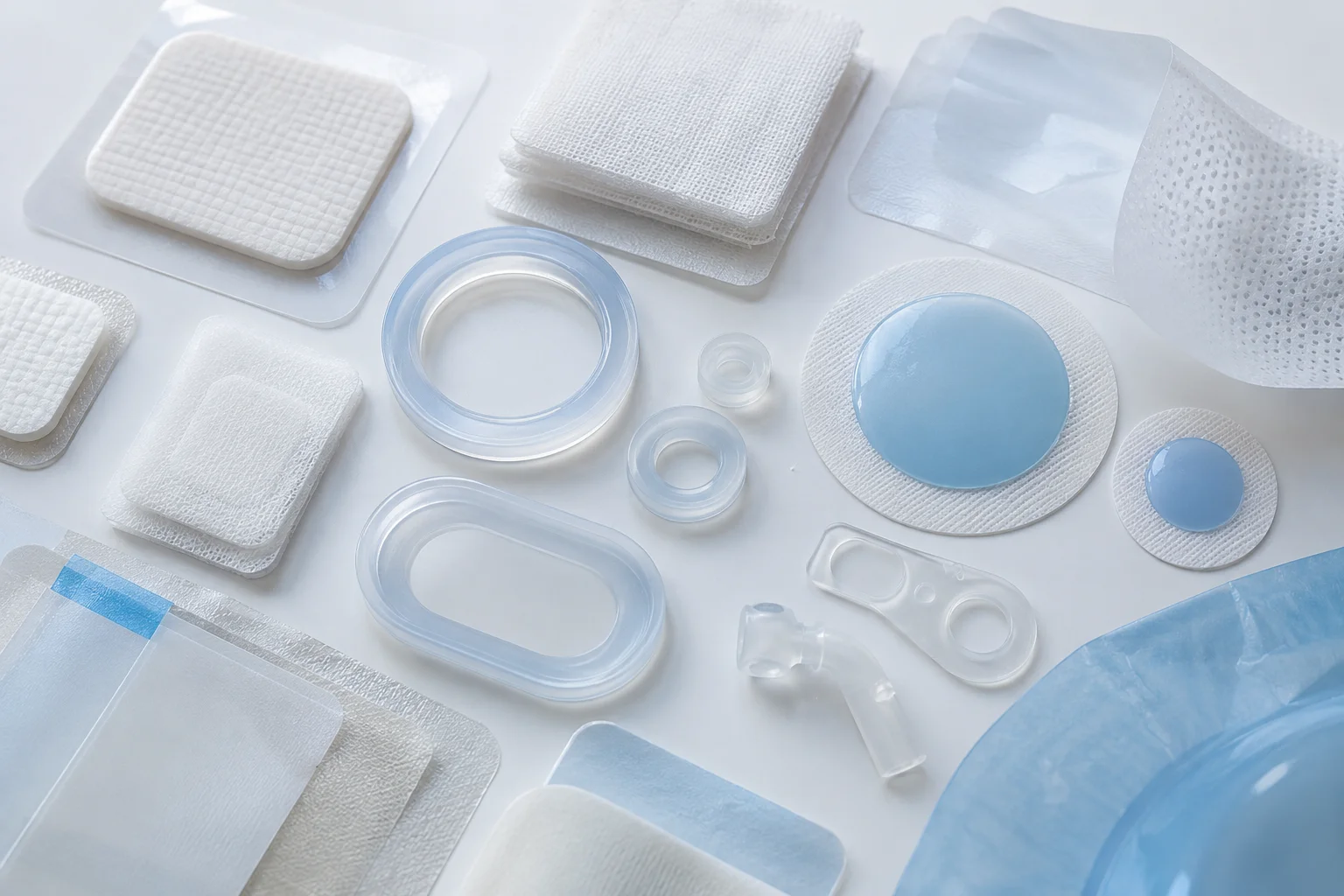
Precision converting transforms multi-layer flexible substrates into critical components across diagnostic, surgical, and therapeutic markets:
| Component Category | Primary Substrates | Typical Application |
|---|---|---|
| Gaskets & Environmental Seals | Closed-cell silicone, PE foam, fluid-resistant PU | Sealing diagnostic equipment housings & fluid delivery systems against leaks |
| Wound Care Layers & Dressings | Reticulated hydrophilic foam, hydrocolloids, breathable films | Multi-layer fluid absorption, exudate management, and barrier layers |
| Electrodes & Wearable Adhesives | Medical-grade acrylics, skin-safe hydrogels, non-wovens | Wearable monitoring sensors, diagnostic patches, and patient grounding pads |
| Acoustic & Barrier Insulation | Micro-porous foam, acoustic membranes | Dampening pump vibration and thermal regulation in clinical diagnostic instruments |
Material Considerations for Medical-Grade Die Cutting
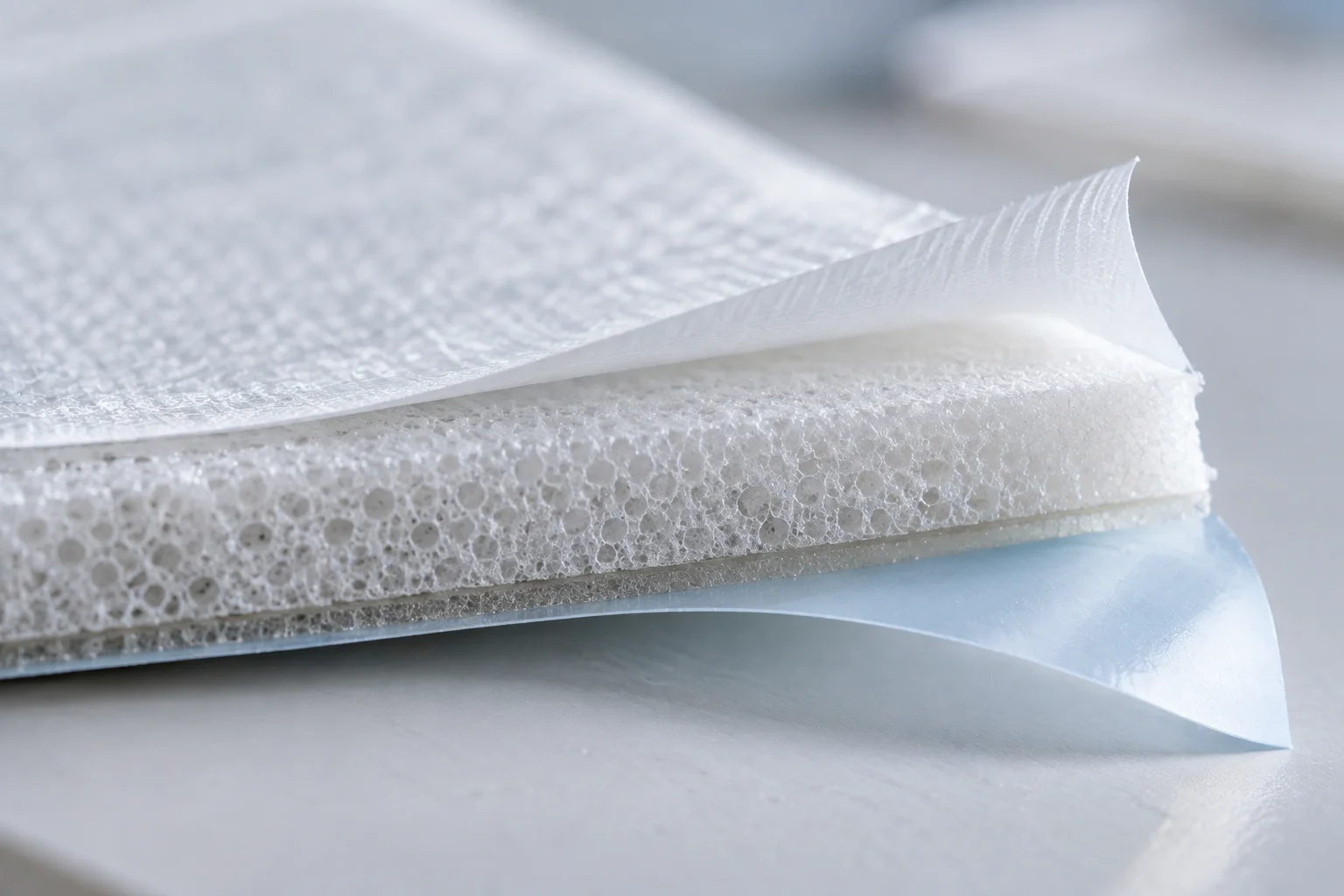
Choosing the right material combination dictates both functional success and manufacturability. When selecting substrates for conversion, medical design engineers must evaluate several factors:
Compressibility and Recovery: Soft foams and gaskets must offer sufficient compression set resistance to maintain airtight fluid or environmental seals over prolonged use.
Fluid Management Properties: Advanced wound care layers require precise open-cell porosity, controlled pore size, and tailored fluid absorption rates.
Lamination Stability: Multi-layer composites, such as combining absorbent foams with breathable outer films and medical-grade skin contact adhesives must be cold-laminated or rotary-bonded without trapping air pockets or compromising release liners.
Choosing a Precision Die Cutting Manufacturer for Regulated Industries
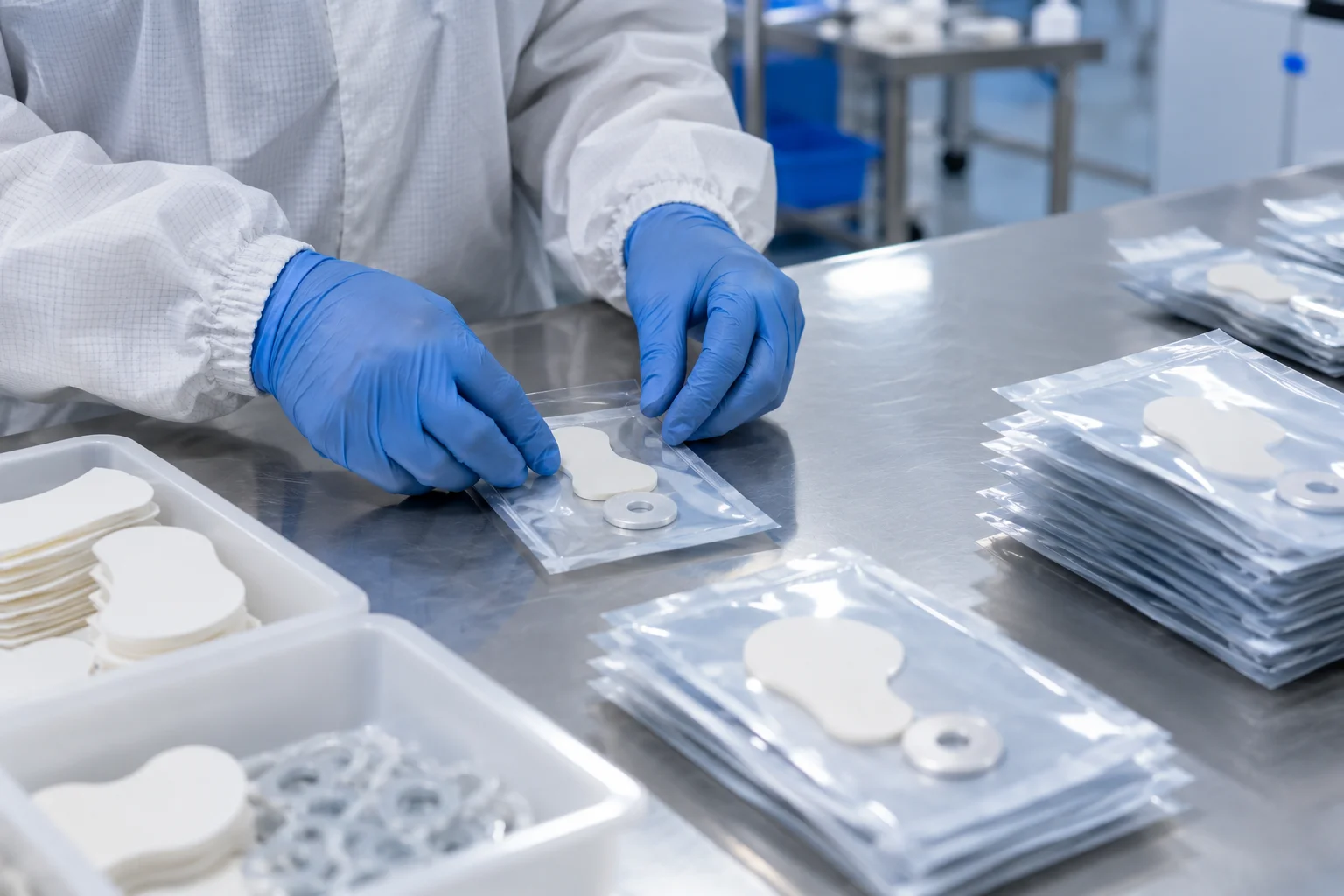
Partnering with an experienced converter simplifies regulatory submissions, mitigates supply chain risks, and accelerates commercial production timelines. Medical device OEMs should prioritize contract manufacturing partners that offer end-to-end capabilities, from initial raw material selection through cleanroom converting, assembly, and final packaging.
Need help deciding?
Foamtec Specialty Products offers custom die-cutting solutions tailored to your project specs.
FAQs
Is die cutting used in medical manufacturing ?
Yes, precision physical converting is widely used throughout medical manufacturing to produce tight-tolerance components like fluid management foams, wearable skin adhesives, diagnostic seals, structural insulation, and multi-layer wound care layers.
What standards apply to medical die cutting ?
Medical converting operations typically must adhere to ISO 13485 Quality Management System certifications. Production often occurs within ISO Class 7 or Class 8 cleanrooms to satisfy strict cleanliness, ISO 10993 biocompatibility, and non-cytotoxicity requirements.
Why are cleanroom protocols critical when converting medical device parts ?
Operating under strict cleanroom protocols eliminates environmental contamination, foreign particulates, bio-burden, and static electricity during cutting and packaging. This ensures parts remain completely sterile and safe for open wound contact, surgical settings, or sensitive diagnostic fluid paths.