
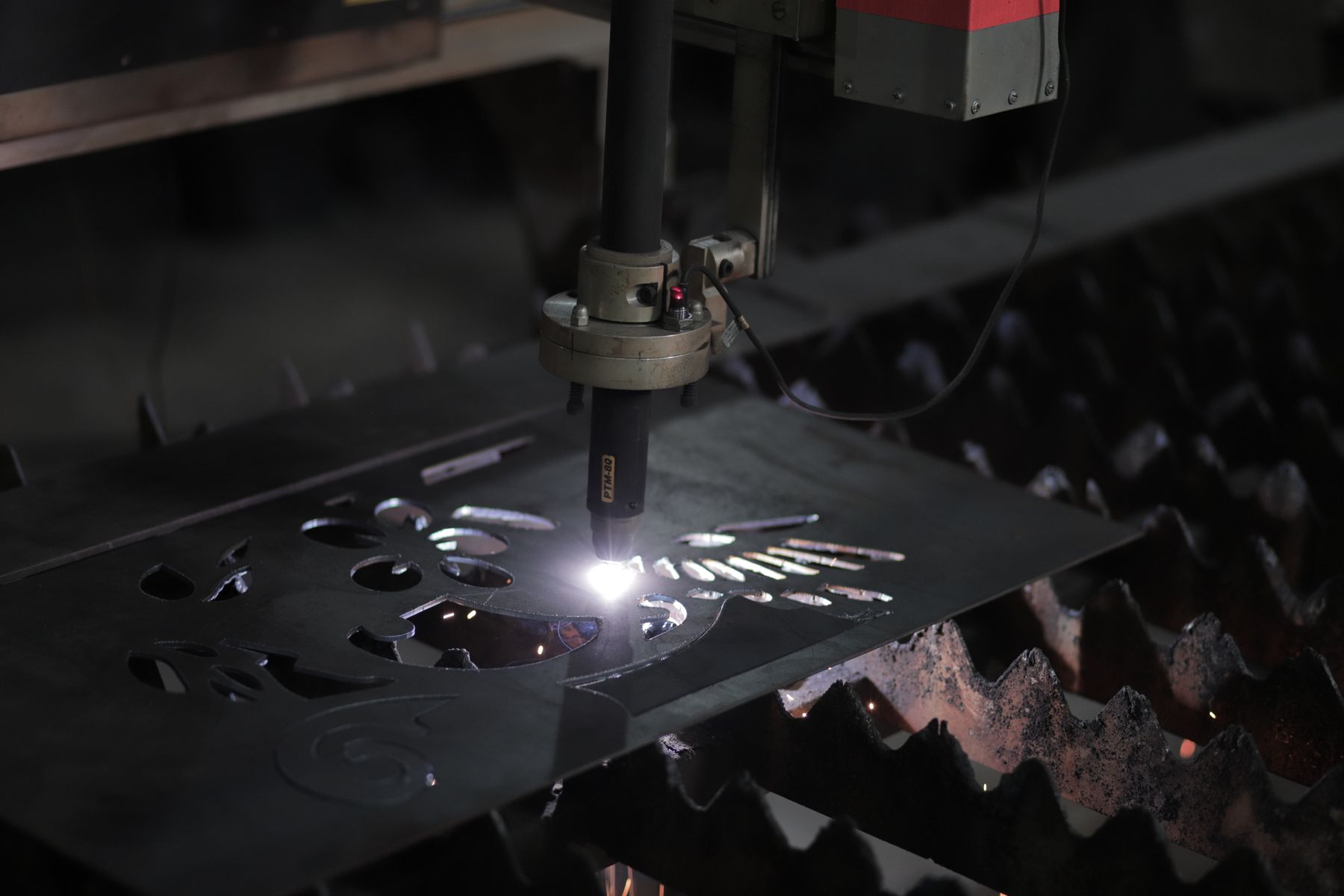
Manufacturers often assume cutting is cutting, but the method you choose directly affects cost, speed, tolerances, and material performance. Selecting between mechanical die cutting and high-precision digital cutting methods like laser cutting can make or break your production budget and part performance.
While both processes transform raw sheets and rolls into precision parts, they use fundamentally different mechanisms:
- Die cutting relies on physical pressure, using custom-shaped steel rules or rotary blades to shear materials.
- Laser cutting uses a focused, non-contact beam of thermal energy to melt, vaporize, or burn away material along a CAD path.
Understanding the distinctions between these two methods helps prevent costly trial-and-error during product development.
What Is Die Cutting ?
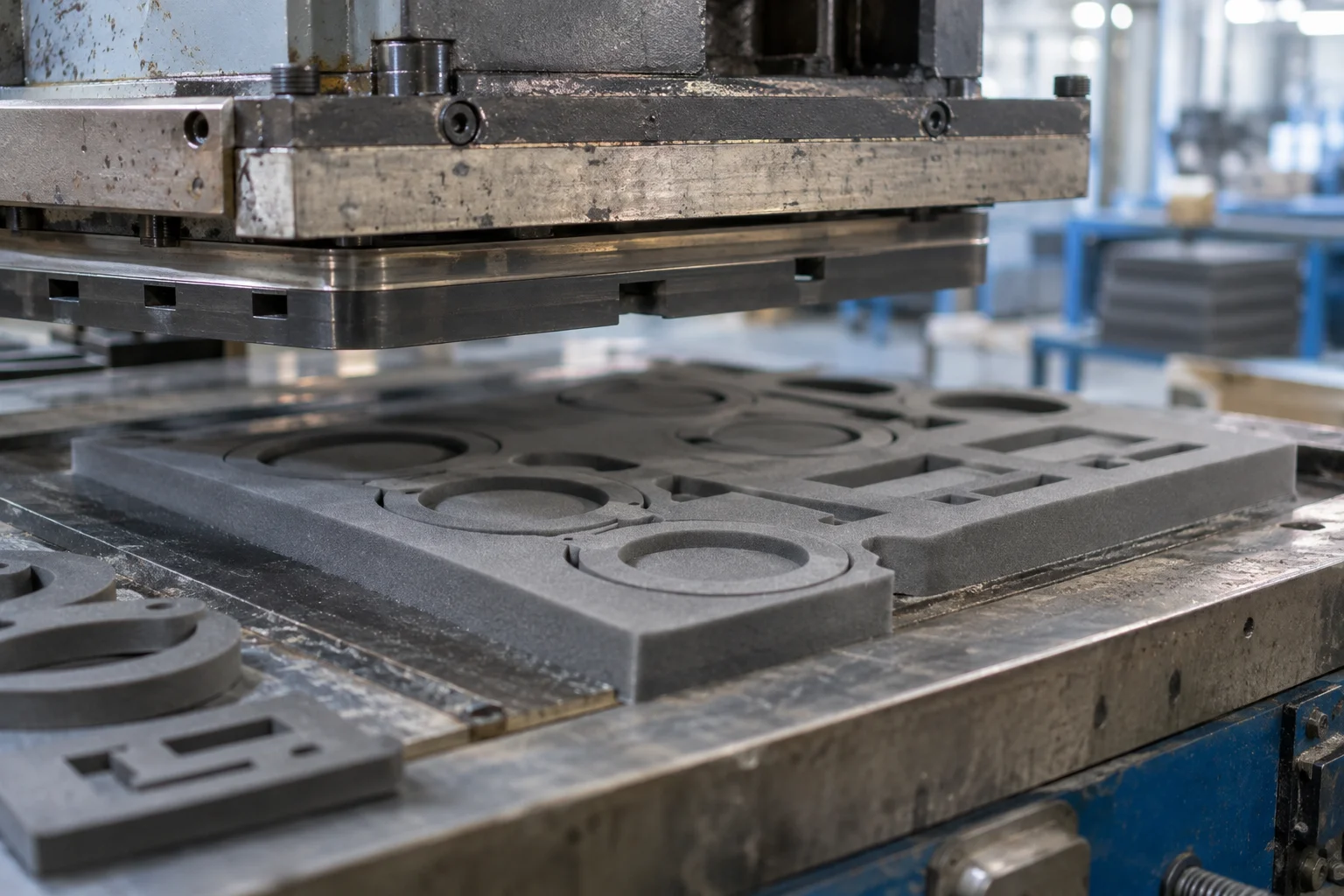
Die cutting is a mechanical converting process that uses customized steel blades embedded in a wooden base (steel rule dies) or cylindrical metal gears (rotary dies) to press against substrates. Functioning similarly to a heavy-duty industrial hole punch, the machine presses the blade into the material to instantly form geometric parts.
Common materials used in die cutting include:
- Technical foam (polyurethane, polyethylene, EVA)
- Rubber and elastomers
- Gaskets and adhesives (pressure-sensitive adhesive backings)
- Plastics and thin films
Typical industries reliant on die cutting span medical devices, automotive seals, specialized packaging, and acoustic insulation. It remains the ultimate solution for high-volume, highly repeatable production runs where piece-price efficiency is critical.
What Is Laser Cutting ?

Laser cutting is a digital, non-contact material conversion technology. A computer-controlled laser beam follows a digital design file, directing high thermal energy to cleanly slice through materials without physical pressure.
Common materials processed via laser cutting include:
- Thin metals and structural alloys
- Plastics and synthetic films
- Select foams and technical textiles
Because it requires zero physical tooling, laser cutting excels in rapidly prototyping new components, cutting intricate web patterns, and producing low-volume, precision-critical parts.
Key Differences at a Glance
When evaluating die cutting against laser cutting, engineers must weigh upfront tooling costs, processing speeds, material characteristics, and batch sizes.
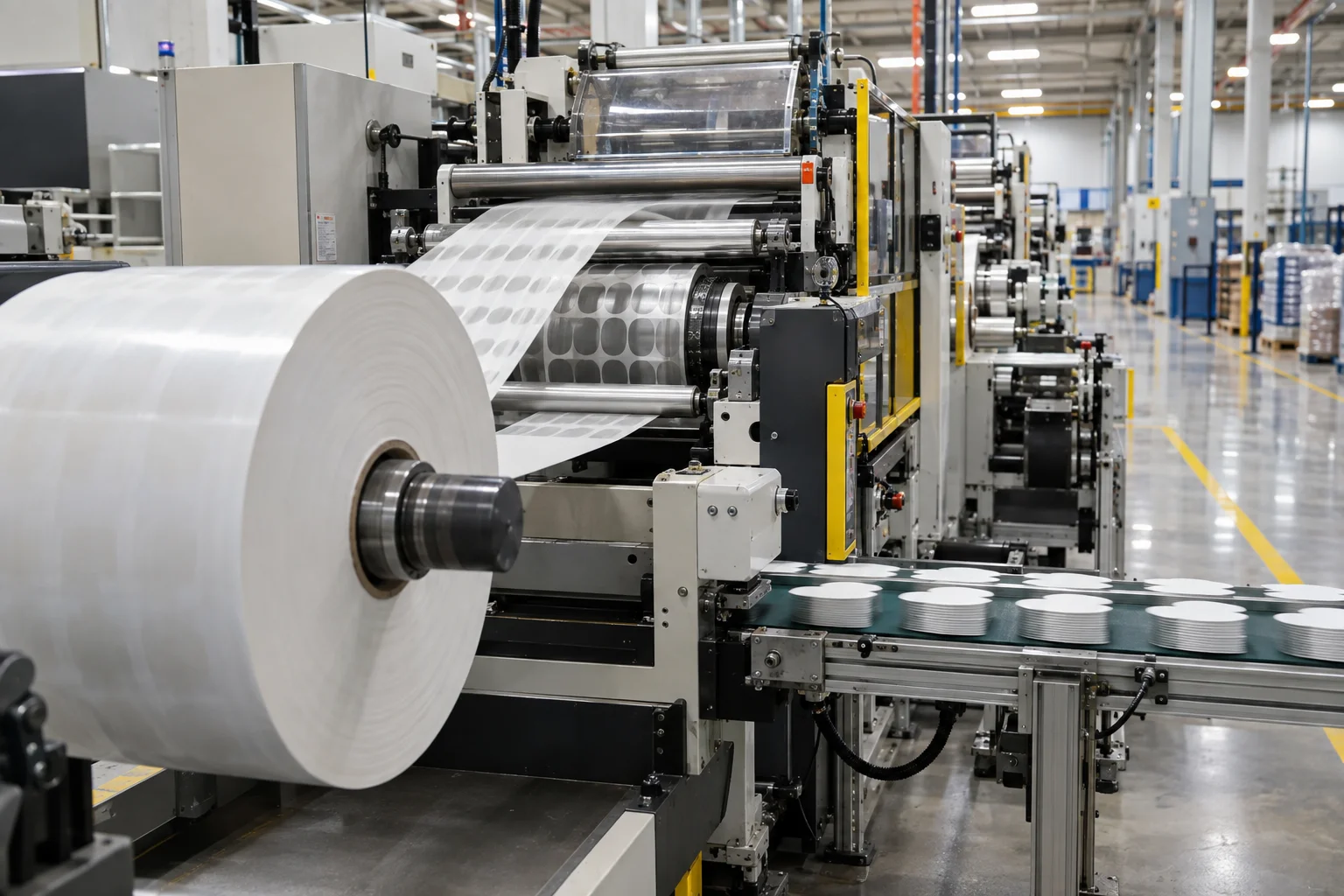
Speed for High-Volume Production: Die cutting offers vastly faster cycle times once physical tooling is produced. Rotary dies can stamp hundreds or thousands of parts per minute, outperforming the travel speed of a single laser head.
Tolerance and Precision Capabilities: Laser cutting delivers extreme precision on rigid substrates, avoiding physical displacement. However, physical die cutting provides precise, clean dimensional control across thick compression-sensitive substrates like foam.
Tooling and Setup Costs: Laser cutting requires zero custom hard tooling, making setup virtually instantaneous. Die cutting requires physical die creation (steel rule or rotary), introducing modest upfront tooling fees offset by lower unit costs later.
Material Limitations: Thermal radiation during laser cutting can scorch, melt, or burn heat-sensitive foams, release toxic fumes, or damage delicate pressure-sensitive adhesives. Die cutting applies zero heat, eliminating scorch marks.
Edge Quality and Heat-Affected Zones: Laser cutting leaves clean, sealed edges on certain synthetics, but creates a heat-affected zone (HAZ) that can alter material properties. Die cutting produces uniform mechanical edges across cold materials.
| Feature / Metric | Die Cutting | Laser Cutting |
|---|---|---|
| Primary Cutting Method | Physical mechanical force via custom blades | Non-contact focused thermal beam |
| Tooling / NRE Costs | Upfront die creation fee required | Zero tooling required (digital CAD files) |
| High-Volume Cost Efficiency | Extremely high (lowest cost-per-part) | Moderate (higher energy/run times per unit) |
| Heat Impact on Substrates | None (100% mechanical) | Moderate-to-high (risk of melting/scorching) |
| Ideal Production Stage | Medium-to-large mass production runs | Rapid prototyping & short runs |
Which Process Is Best for Your Material ?

Foams, soft rubber, and multi-layer adhesive backings perform significantly better under cold mechanical die cutting. When subjected to laser thermal radiation, cellular materials like polyurethane foam can suffer from edge hardening, discoloration, and outgassing.
Mechanical die cutting compresses and cuts delicate open-cell structure cleanly without alterating material compressibility, cleanroom cleanliness, or bond performance. If your design involves thick foam gaskets, multi-layer laminates, or medical-grade elastomeric components, mechanical conversion minimizes risk.
Conclusion
Neither method is universally superior, the optimal selection hinges on your material chemistry, part volume, tolerance specifications, and budget. While laser cutting dominates early-stage digital prototyping and complex metal or rigid film cutting, die cutting remains the gold standard for scalable, high-volume production of elastomeric, adhesive, and foam components.
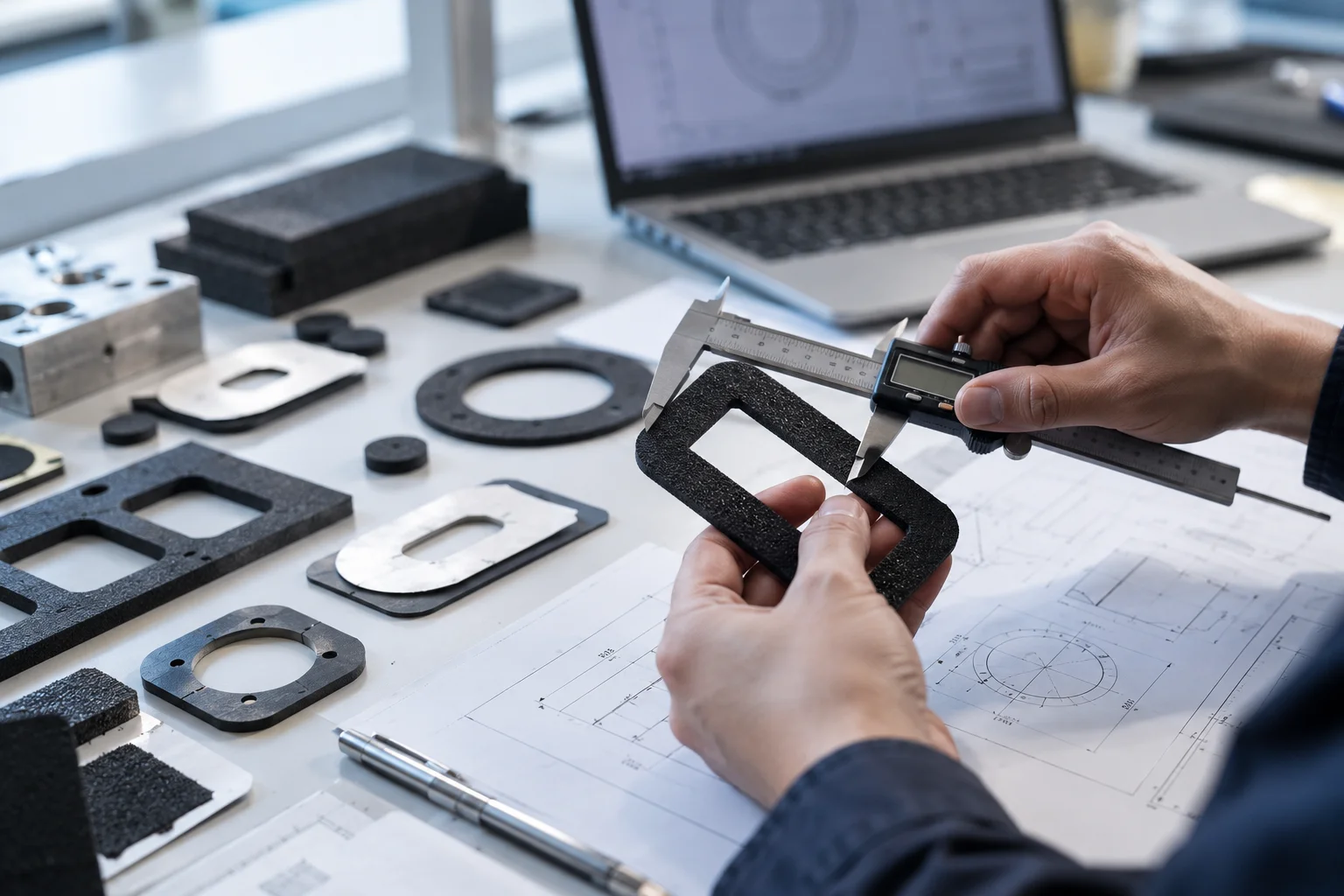
Consulting with an experienced converting specialist early in your product design process helps prevent manufacturing delays and unexpected material degradation.
Need help deciding?
Foamtec Specialty Products offers custom die-cutting solutions tailored to your project specs.
Frequently Asked Questions (FAQ)
Can laser cutting be used on foam ?
Yes, laser cutting can process specific high-density plastic foams, but it often causes melting, edge charring, or thermal deformation on soft, low-density polyurethane or adhesive-backed materials. Mechanical die cutting is generally preferred for clean, unburned foam edges.
Is die cutting cost-effective for small runs ?
While die cutting involves an initial tooling cost, standard steel rule dies are relatively inexpensive. For small production runs, laser cutting may save money upfront by avoiding tooling costs, but die cutting rapidly becomes much cheaper as production volumes scale.
What is the difference between steel rule die cutting and rotary die cutting ?
Steel rule die cutting uses a flat stamping motion ideal for lower volumes, thick foam materials, and larger footprint components. Rotary die cutting uses cylindrical dies on a continuous rolling press, delivering ultra-fast production speeds for high-volume web converting and thin roll materials.